Upcoming meetings and Events

leveraging human-tech cooperation for the evolutionary management of cancer
May 21-24, 2026 Hersonissos, Crete, Greece
The next International Society for Evolution, Ecology and Cancer conference will be taking place at the Mikis Theodorakis Conference Center in Hersonissos, Crete. This year’s Evolution and Cancer Conference focuses on human–tech cooperation for the evolutionary management of cancer. Participants will explore how insights from evolution, ecology, and cooperation science can be integrated with powerful technologies, such as AI, computational modeling, and genomics, to advance our understanding of cancer’s nature and improve treatment strategies. We will also look to cancer as a model for better understanding the current challenges with AI, where breakdowns in cooperation, runaway dynamics, and competitive pressures can echo the very evolutionary processes that drive malignancy. The meeting will feature interactive workshops, cross-disciplinary talks, and collaborative design sessions aimed at accelerating progress through human–tech partnership to better understand and manage cancer.
Although our theme this year is human-tech cooperation for the evolutionary management of cancer, we welcome abstract submissions on all topics related to evolution, ecology and cancer. This includes comparative oncology, transmissible cancers, evolutionary cancer management, tumor microenvironment ecology, and topics in organismal biology that provide insights into the evolutionary and ecological dynamics underlying cancer.
This year's conference is supported and organized in collaboration with the Cooperative Futures Institute.
Conference information
Travel, lodging, and logistics
The 2026 ISEEC conference will take place at the Mikis Theodorakis Conference Center, located at the Creta Maris Hotel, an all-inclusive 5-star resort in the fishing village of Hersonissos on the island of Crete. The Heraklion airport (HER) is most convenient; it is approximately 30 minutes from the hotel and conference center. Everything is within walking distance once you arrive, so it is not necessary to rent a car.
The main conference sessions will take place May 21-23 at the conference center. On May 24th, conference activities will take place off-site and transportation will be arranged. We recommend arriving May 20th and leaving May 25th if you want to participate in all the conference activities. The conference schedule can be found here
Many options are available for lodging in Hersonissos within walking distance of the hotel. The most convenient option is to stay at the conference hotel, as this includes lodging and all meals. You can book your stay before December 3rd for a 40% discount using this link. Many other options exist for lodging at lower price points within a short walk, for example, the Alia Beach Hotel or the Kassavetis Center Studios and Apartments.
Featured Events
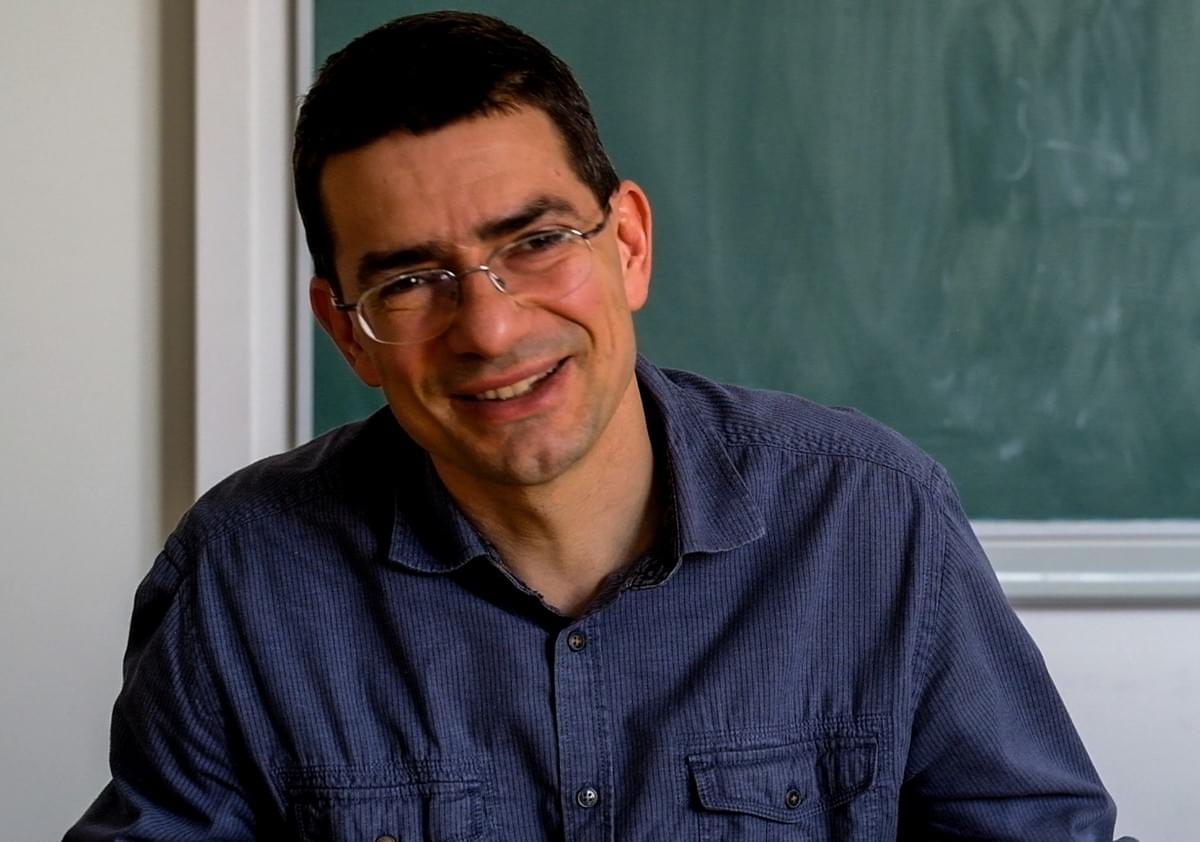
Keynote address: Viktor Müller
On the threats of evolvable AI - with lessons from evolution in cancer
Evolvable AI (eAI), i.e., AI systems whose components can themselves undergo Darwinian evolution, may soon emerge from current trends in generative, agentic, and embodied AI. We argue that this possibility has been underappreciated in debates on AI safety and existential risk. The talk will describe possible routes to eAI, and will draw on insights from biological evolution (including cancer research) and decades of digital evolution experiments to highlight the special risks associated with eAI. In particular, we argue that achieving 'Artificial General Intelligence' (AGI) is neither necessary nor sufficient to pose a serious hazard to humanity--the capacity for open-ended evolution presents the real red line. We discuss arguments for and against the gravity of the risks, and propose possible control measures. Finally, the talk will discuss the concept of major evolutionary transitions and how eAI and cancer can be placed in this framework.

Plenary: Martin Schaefer
Drivers of cancer beyond point mutations: using explainable machine learning to annotate the unstable cancer genome
Cancer genomes and epigenomes accumulate thousands of alterations during tumor initiation and progression, including point mutations, copy number alterations (CNAs), DNA methylation and chromatin accessibility changes. Distinguishing alterations that contribute to tumor fitness from those that are tolerated by-products of (epi)genomic instability is central to understanding tumor evolution and identifying intervention points.
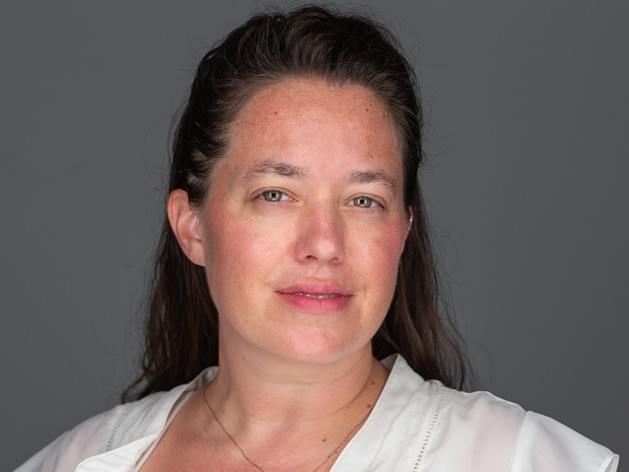
plenary: Jill gallaher
Identifying predictive biomarkers in an adaptive therapy trial for metastatic castrate sensitive prostate cancer
Adaptive therapy is a treatment strategy for metastatic cancer that aims for control over eradication, alternating between periods of treatment and treatment vacations. In an ongoing adaptive therapy trial in metastatic castrate-sensitive prostate cancer, the median time to progression (TTP) has not yet been reached at 70 months whilst the median TTP for standard of care is around 36 months. However, out of 16 patients, 7 have had PSA progression, 4 have had radiographic progression, and 4 have died. Here we focus on characterizing progressors to better identify them sooner for intervention. Earlier identification of patients at risk for progression means earlier intervention with alternate strategies that do not rely on physiological mechanisms of testosterone, like chemotherapy or bipolar androgen therapy.

Workshop: From Cancer Evolution to Translational Tech
How do we move concepts and tools from cancer evolution into technologies that actually reach patients? This workshop focuses on translating concepts and methods from cancer evolution, cooperation science, and AI to advance both basic understanding and clinical translation. In the first hour, join us for short talks and discussion on identifying high-leverage intersections between evolutionary frameworks and emerging tools, including consideration of which directions hold promise for translational pathways beyond the academy. The second hour will be devoted to collaborative ideation, with participants developing their own concepts through structured feedback and discussion.
This workshop is facilitated by Athena Aktipis, Founding Director of the Cooperative Futures Institute at ASU, and David Kammeyer, co-Founder and CEO of mentality.ai.
Previous iSEEC Events and initiatives
Supporting Conferences and Eduction in Evolutionary, Ecological and comparative approaches to cancer biology and clinical management

May 8-10, 2024
Wellcome Genome Campus, Hinxton, UK
This Cancer Evolution: from Genome to Ecology conference highlight srecent advances in phenotypic plasticity, multicellularity of ageing and cancer, as well as developments in spatial biology and ecology. Modelling the evolution of cancer, including using machine learning methods, and extra chromosomal studies will also be a focus. Scientific presentations will be complemented by optional scientific illustration workshops.
The 2024 ISEEC conference took place at the Wellcome Genome Campus near Cambridge in the UK, and supported and organized in collaboration with Wellcome Connecting Science.
Evolutionary Biology and ECOLOGY of Cancer Summer School 2022 conference
Evolutionary Tradeoffs and Clinical Consequences
December 10-13, 2015
Wellcome Genome Campus, Hinxton, UK
Cancers are an evolving ecosystem of cells, and so knowledge of evolution and ecology is important to understand and clinically control cancer. Unfortunately, there are few cancer biologists trained in these disciplines. This course aims to bridge that gap, facilitate cross-fertilisation of ideas, and provide hands-on training in the application of tools from evolution and ecology to cancer.
This programme will highlight various modelling (e.g. agent-based, game theory), ecological, phylogenetic and digital pathology tools used in cancer research. Participants will gain knowledge of evolutionary biology as applied to the somatic cell evolution in cancer, as well as the principles of ecology relevant to studying tumour microenvironments and immune selection. We also discuss the application of evo-eco principles in the design of novel clinical trials.

Evolution and Ecology of Cancer
Cellular Cooperation and Competition in CancerJuly 17-19, 2019
Wellcome Genome Campus, Hinxton, UK
Cancer has been central to the history of life. Cancer (uncontrolled growth of somatic cells) was the primary barrier to the evolution of multicellular bodies. It was only after evolution discovered mechanisms to suppress and control the proliferation of what came to be somatic cells, that organisms larger than single cells could evolve. In a sense, cancer is the default state of cells, and cooperation, in the form of large bodies, was the novelty that changed the world.
The conference discussed the evolution and ecology of cells in tumors, as well as the interaction of cancer with the evolution and ecology of organisms. The main focus of this year’s meeting was on Cooperation, Conflict and Parasitism, including cellular competition, multicellularity and mathematical models. There was also an extensive session on the new and exciting field of transmissible cancers.

June 4-8, 2018
Wellcome Genome Campus, Hinxton, UK
Knowledge of evolution and ecology is important to understand and clinically control cancer. Unfortunately, there are few cancer biologists trained in evolution and ecology, and few evolutionary biologists and ecologists work in cancer research. This course aims to cross-train evolutionary biologists and ecologists in cancer, and to train cancer biologists in the relevant evolutionary biology and ecology to facilitate cross-fertilization of ideas and forge active collaborations.

iseec 2017 conference, asu
Resistance, Resilience and Robustness
December 7-10, 2017
ASU and Tempe Mission Palms
Many biological systems are resilient to shocks, having the ability to return to a previous state following a disturbance. In the case of cancer, this resilience presents a clinical problem of therapeutic resistance. The theme of this year's ISEEC conference is "Resistance, Resilience
and Robustness" and will focus on the evolutionary and ecological processes underlying cancer. During cancer progression and treatment, cancer has the capacity to exhibit resistance, resilience and robustness. Further, organisms have evolved defenses against cancer that increase the robustness of bodies to mutations and other perturbations that can increase cancer susceptibility. Considering the cancer and cancer defenses through the lens of resilience and resistance can help identify challenges and opportunities in cancer therapy and new horizons for cancer prevention. ISEEC welcomes scientists from different disciplines, including but not limited to oncology, cell biology, evolutionary biology and mathematics.You can download the conference program here and the conference poster here. The Storify capture of the event can be accessed here.

July 11-15, 2016
Wellcome Genome Campus, Hinxton, UK
Evolution and ecology are fundamental to both the understanding and clinical control of neoplasms. This summer school will provide an introduction to the basics of cancer evolution and ecology for both cancer biologists and evolutionary biologists. The summer school is aimed at early career scientists, including post-graduate students, postdoctoral fellows, and new principle investigators. This summer school will provide cancer biologists with the relevant tools and theory from evolution and ecology. It will also provide evolutionary biologists and ecologists an introduction to cancer biology and demonstration of how their theories and tools can be applied to cancer.
This summer school is supported by the Centre for Evolution and Cancer at the Institute of Cancer Research in London, the Wellcome Trust and the International Society for Evolution, Ecology and Cancer. This next summer school will be held in 2018. Read Revolutionary biology: Evolutionary biology and ecology of cancer summer school supports a growing field to learn about the 2016 summer school.

Evolutionary Tradeoffs and Clinical Consequences
December 10-13, 2015
Mission Bay Conference Center, UCSF
Tradeoffs are pervasive in biological systems, and the evolutionary dynamics underlying cancer are no exception. The Third International Biannual Evolution and Cancer Conference (IBECC2015) explores the ways in which tradeoffs have shaped the evolution of cancer suppression systems and the role of tradeoffs in the progression of tumors from benign to malignant. A consideration of evolutionary tradeoffs can also help us to identify challenges and opportunities in cancer therapy and new horizons for cancer prevention. We welcomed scientists from different disciplines, including but not limited to oncology, cell biology, evolutionary biology and mathematics.
This conference was supported in part by the Helen Diller Family Comprehensive Cancer Center at UCSF, the Center for Evolution and Cancer at UCSF and the Biodesign Institute at ASU. Download the official conference poster here.
THE ISEEC 2017 CONFERENCE IN IMAGES
COURTESY of ALEX CAGAN
Society Information
Find out more about ISEEC
Executive board officers
President: Athena Aktipis
Outgoing President: James DeGregori
Incoming President: Beata UjvariVice-President: Robert Noble
Treasurer: Ryan Carr
Secretary: David Basanta
Advisory Committee:
Amy Boddy
Andriy Marusyk
Carlo Maley
Lucie Laplane
Sarah Amend

Committees
ISEEC committees are now forming to help support the mission of the society
- Conference Planning Chairs: Athena Aktipis & Carlo Maley
- Membership Chair: Athena Aktipis
- Fundraising Chair: TBD
- Education and Outreach Chair: Pamela Winfrey
- Society Bylaws Chair: Aurora Nedelcu
- Awards Chair: Amy Boddy
- Clinical Outreach Chair: Dawn Lemanne